
A fruit bowl, a yoga discount and a one-off mental health webinar will not fix a team running on empty. The best corporate wellbeing activities create a real interruption to stress - one people can feel in their bodies, carry into their work, and return to when pressure rises.
That means moving beyond performative perks. If your people are overstretched, emotionally flat or constantly switched on, the answer is not another item on the benefits page. It is a wellbeing programme that respects the nervous system, the reality of modern work and the fact that different people need different forms of support.
What makes a corporate wellbeing activity worth doing?
A strong activity does one of three things: it reduces immediate strain, builds a practical skill, or improves the conditions that are creating stress in the first place. The best programmes do all three over time.
It also needs to be easy enough to access. A brilliant session that only suits the loudest people in the room, or requires an extra hour at the end of an already long day, will miss the people who may need it most. Think about timing, privacy, neurodiversity, physical accessibility and whether employees can participate without feeling exposed.
There is a trade-off here. Light-touch activities can reach more people and work well as a regular rhythm. More immersive experiences can create a deeper shift, but need clearer communication, skilled facilitation and space to land afterwards. You do not need to choose one or the other. Build a mix.
The best corporate wellbeing activities for real relief
1. Guided breathwork sessions
Stress is not just a thought problem. It changes breathing patterns, muscle tension, sleep and the ability to think clearly under pressure. A guided breathwork session gives employees a structured way to slow down, reconnect with their bodies and move out of constant alert.
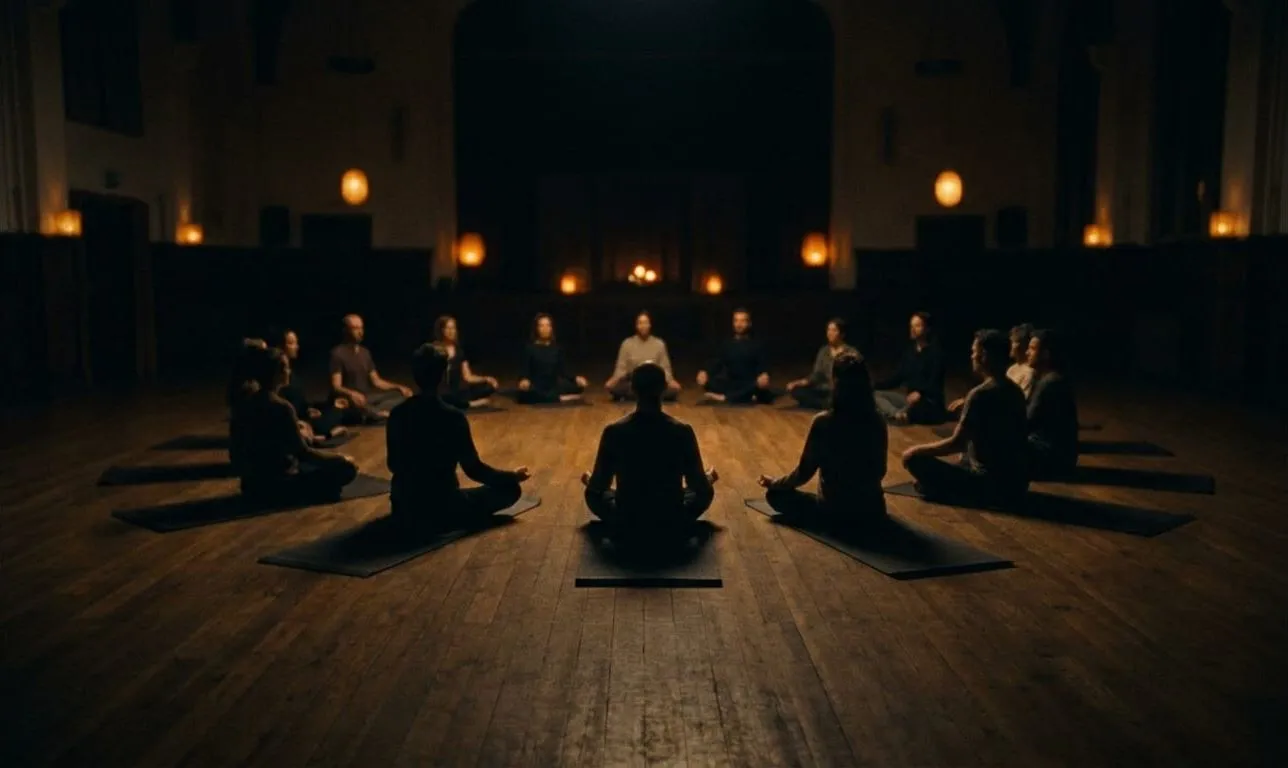
Done well, this is not a passive wellness add-on. It is an experience. Music, pacing and trauma-informed facilitation matter because they help people feel safe enough to settle, release tension and notice what is actually going on beneath the surface. IMD Breathwork brings this approach into corporate settings through a consistent, sensory-led format designed for meaningful nervous system reset.
Offer shorter introductory sessions for teams new to breathwork, and consider a longer experience for off-sites or periods of intense change. Participation should always be optional, with clear guidance on who may need to adapt or sit out.
2. Protected focus blocks
Many wellbeing initiatives ask people to manage stress while their calendar keeps creating it. Protected focus blocks address a more basic issue: too much fragmented attention.
Choose one or two meeting-free windows each week and make them organisation-wide where possible. No internal calls. No expectation of instant replies. Leaders need to follow the rule visibly, otherwise it becomes another policy people feel unable to use.
This is not glamorous, but it is powerful. A calmer working day often begins with fewer interruptions, not a better breathing app.
3. Manager training for difficult conversations
Employees do not need managers to become therapists. They do need managers who can spot overload, ask a direct question and respond without making someone feel like a problem to solve.
Practical training should cover workload conversations, boundaries, grief, conflict, burnout signals and signposting to appropriate support. Role-play helps. So does giving managers simple language they can use: “What feels most unsustainable right now?” or “What would make this week more manageable?”
The quality of a person’s relationship with their manager can shape whether wellbeing support feels genuine or cosmetic. This is one of the highest-leverage investments a company can make.
4. Walking meetings and outdoor reset sessions
Not every conversation needs fluorescent lighting and a video call grid. For one-to-ones, creative discussions and lower-stakes catch-ups, walking meetings can reduce the intensity of being face-to-face while helping people move and think.
Outdoor reset sessions work particularly well in dense city workplaces. A guided 20-minute walk, with mobiles away and no productivity target, can give employees a clean break between demanding tasks. Keep it simple. The point is not to turn a walk into another performance metric.
This will not suit every meeting. Confidential discussions, note-heavy planning and accessibility needs should always come first. Give people options rather than declaring walking meetings the new rule.
5. Financial wellbeing clinics
Financial pressure follows people into work. It can affect sleep, concentration, confidence and willingness to take time off when they need it. Yet it is often ignored because it feels too personal to raise.
Confidential sessions with qualified financial educators can cover budgeting, pensions, debt support, saving and major life changes. Avoid product-led sales pitches. The aim is clarity and reduced shame, not pushing employees towards a particular provider.
Offer this at different career stages. A graduate managing rent has different concerns from a parent facing childcare costs or someone approaching retirement.
6. Team workload resets
If people are overloaded, resilience training alone can feel insulting. A workload reset puts the work itself on the table.
Bring teams together to identify what can stop, pause, simplify or be decided faster. Ask which meetings create little value, where approval loops are slowing progress and what work is being carried because nobody has formally removed it. Then assign owners and dates to the changes.
The critical part is follow-through. Employees have seen enough listening sessions that lead nowhere. When leaders remove a needless report, shorten a meeting cycle or clarify priorities, trust rises quickly.
7. Sleep support that respects real life
Poor sleep is rarely solved by telling people to have a better bedtime routine. Shift patterns, commuting, caring responsibilities, anxiety and late-night work can all get in the way.
Useful sleep support combines education with practical changes: limiting out-of-hours expectations, encouraging proper breaks, offering short wind-down audio sessions and helping managers avoid sending messages that imply a reply is needed at midnight. The message should be clear: rest is not a reward for finishing everything. It is part of sustainable performance.
8. Peer connection without forced fun
Loneliness can exist in a packed office and an always-on group chat. But forced social events are not the cure, especially for people who are already drained.
Create smaller, interest-led ways for colleagues to connect. A lunch club, a book swap, a parents’ group or a quiet co-working hour can work better than a compulsory team night out. Give people a reason to belong without demanding that they perform sociability.
The best format depends on your culture. Ask employees what would actually make connection easier, then fund the ideas that have genuine support.
9. Calm spaces in the workplace
A dedicated quiet room is a simple signal that regulation is allowed at work. It should not be a storage cupboard with a motivational poster on the wall.
Create a low-stimulation space with comfortable seating, softer light, clear expectations around noise and no assumption that someone using it is disengaged. Add short guided audio options if helpful, but do not over-engineer it. Sometimes five private minutes away from the desk is enough to prevent a difficult moment becoming a full shutdown.
For remote teams, the equivalent may be a norm rather than a room: permission to take a camera-off break, step outside or block ten minutes between demanding calls.
10. Skills-based mental health education
Employees are tired of vague reminders to “prioritise wellbeing”. Give them skills instead. Sessions on stress cycles, boundaries, emotional regulation, conflict recovery and attention management are more useful when they include situations people recognise from their working week.
Keep the language grounded. What happens after a tense client call? How do you come down after presenting to the board? What can you do when your thoughts are racing at 3am before a deadline? The more specific the scenario, the more likely people are to use the tool.
11. Volunteering with choice and paid time
Purpose matters, but charity activity should never become another obligation. Offer paid volunteering time and a choice of causes, including options that do not require physical labour or a full day away from work.
Some employees will value environmental projects. Others may prefer mentoring, skills-based support or local community work. Give them autonomy. The aim is meaningful contribution, not a photograph for the company newsletter.
12. A clear route to professional support
Corporate wellbeing activities have limits. A group session cannot replace clinical care, crisis support or a manager dealing properly with harmful behaviour.
Make sure employees know where they can access confidential professional help, what is covered, and what to do if they need urgent support. Communicate this regularly, not only during Mental Health Awareness Week. A support route nobody can find when they are struggling is not a support route.
How to build a programme people will actually use
Start with evidence from your own workforce. Anonymous pulse surveys, absence patterns, turnover data and honest listening groups can show whether the bigger issue is stress, isolation, workload, poor sleep or lack of psychological safety. Do not copy another company’s wellbeing calendar because it looks good on social media.
Then create a rhythm. A quarterly flagship experience may generate momentum, while weekly focus time, monthly skills sessions and everyday manager habits make change stick. Measure participation, certainly, but do not stop there. Ask whether people feel more able to recover after pressure, speak up about workload and take breaks without guilt.
The strongest wellbeing strategy is not the busiest. It is the one that makes people feel considered when work is demanding, not only when the company is promoting a campaign. Give your team support they can actually use, and give them the conditions to use it.