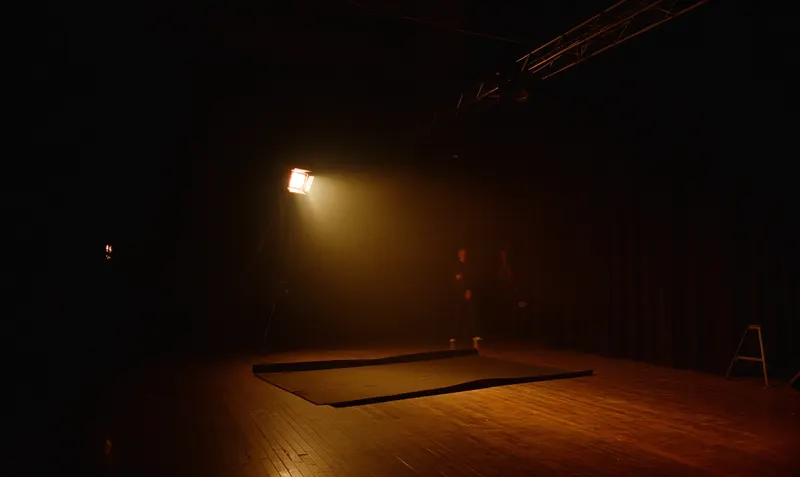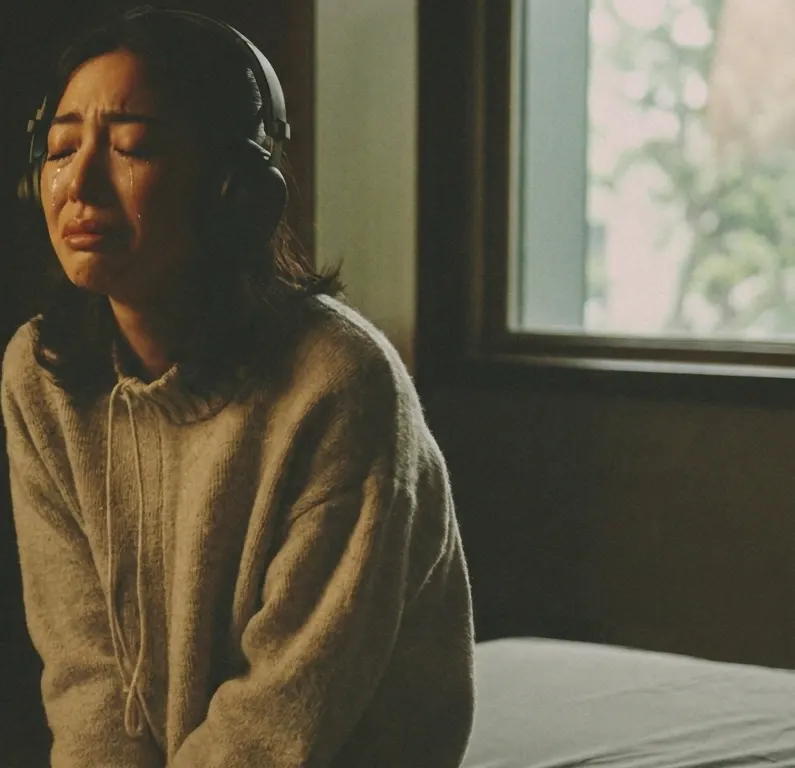
Most people walk into their first breathwork session thinking they need to do something, read a book, watch a video, learn how to breathe properly beforehand.
You don't.
The session is designed to guide you from the moment you walk in. The facilitator will brief you. The soundscape will hold you. The breath pattern will be taught to you in the room. If you've never done breathwork before, you're in the same position as everyone else who came for the first time, which is exactly where you're supposed to be.
That said, there are a few practical things that help. Not because the session won't work without them, but because your body will be more comfortable and you'll be able to drop in more easily.
The day before
Sleep normally. Eat normally. Live your life. There's no special preparation ritual. You don't need to fast, meditate, journal, or do anything mystical.
If you drink alcohol, have your last drink the night before at the latest. Alcohol disrupts sleep and leaves your nervous system less regulated the next day. You want to arrive clear, not recovering.
If you're on medication, keep taking it as prescribed. Breathwork doesn't interact with most medications, and stopping something suddenly can destabilise you more than the session ever would. If you're unsure, ask before booking.
The morning of
Eat a light breakfast or lunch, depending on when your session is. Something small, nothing heavy. Your body will be lying down for an hour or two, breathing in a continuous pattern. A full stomach makes that uncomfortable.
Good options: toast, porridge, a banana, eggs, something plain. Avoid anything greasy, rich, or hard to digest.
If your session is in the evening, eat a light lunch and nothing after 3pm. You don't want to be hungry, but you also don't want to be digesting a meal while you're doing the work.
Drink water throughout the day. Not litres, just normal hydration. Dehydration makes the breath feel harder than it needs to be.
Caffeine is fine if you normally drink it. One coffee, one tea, whatever your normal is. Don't drink three espressos before a session if you usually drink none. Don't cut caffeine entirely if your body is used to it, because withdrawal will leave you foggy and irritable.
What to wear
Something you can lie down in comfortably for two hours. Loose, soft, nothing tight around your waist or chest.
Leggings, joggers, a t-shirt, a jumper if you get cold. Layers are good because the room temperature is steady but your body temperature will shift during the session.
No jeans. No belts. No underwire bras. Nothing that digs in when you lie flat.
Take your shoes off when you arrive. Socks are fine. Some people prefer bare feet. Either works.
What to bring
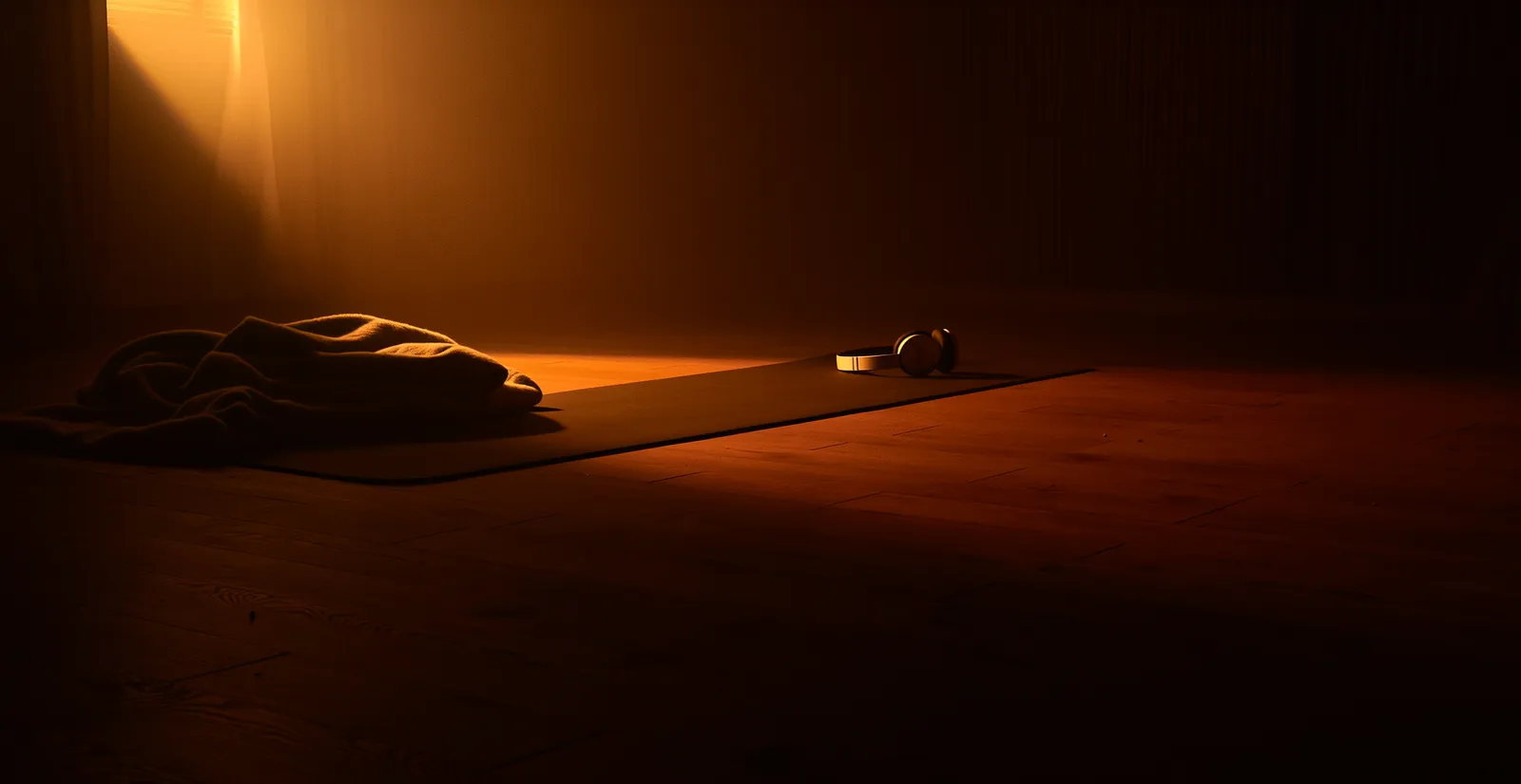
Nothing. Everything is provided. The mat, the blanket, the headphones, the eye mask.
If you have your own eye mask and prefer it, bring it. If you get cold easily, bring an extra layer. Otherwise, just yourself.
Leave your phone in your bag. You won't need it during the session and it will only pull you out of the work.
What not to do
Don't arrive drunk, hungover, or high. The session won't work and you'll waste your time and everyone else's.
Don't arrive on an empty stomach. Light food a few hours before is better than nothing at all.
Don't arrive full. A heavy meal sits in your body and makes lying flat uncomfortable.
Don't overthink it. The session is not a test. There is no right way to breathe and no wrong way to feel. Whatever happens, happens.
What most people get wrong
They think they need to arrive in a certain emotional state, calm, open, ready, centred.
You don't.
Arrive however you are. Anxious, tired, skeptical, annoyed, shut down, wired, numb. The session is designed to meet you where you are and work with whatever is present in your body that day.
If you're nervous, that's normal. A lot of first-time participants feel nervous. The room is held, the facilitator is trained, and you're not doing this alone. Nervousness doesn't disqualify you from doing the work.
The other thing people get wrong is thinking they need to have a specific intention or know what they want to release. You don't. The body knows what needs to move, and the breath will take you there. Trying to direct it with your thinking mind usually just gets in the way.
The hour before
Give yourself time to arrive calmly. Rushing in late, stressed, looking for parking, still on a work call, that leaves your nervous system activated before you've even started.
Arrive 10 minutes early. Use the bathroom. Settle. Let your body slow down before the session begins.
If you're feeling anxious, that's fine. Sit with it. Let it be there. It won't stop the session from working.
What to expect when you arrive
You'll be greeted. You'll be shown where to put your things. The facilitator will give you a briefing before the session starts, what's about to happen, how to breathe, what to expect, and what to do if something feels too much.
You'll be told where any contraindications are, medical conditions that mean breathwork might not be safe for you. If you're pregnant, epileptic, or have certain cardiovascular conditions, this is when you speak up.
Then you lie down, put on the headphones and eye mask, and the session begins.
That's it. You've prepared.
After the session
You'll be guided back slowly. The music will soften, the breath will return to normal, and you'll have time to integrate before you sit up.
Take your time. Don't rush to leave. Drink water. Eat something small if you're hungry.
Plan nothing demanding for the rest of the day. No big meetings, no difficult conversations, no intense plans. Give your body space to settle.
Most people feel lighter, calmer, and steadier after a session. Some feel tired. Both are normal. Let your body do what it needs to do.
And that's preparation. It's simpler than most people think.