If you are searching for the best frequency for nervous system reset, you are probably not asking a purely technical question. You are asking what will actually help your body settle. What will stop the loop of tension, overthinking, shallow breathing and that low-grade sense of being switched on all the time. Fair question. But the honest answer is less mystical and more useful than most wellness content makes it sound.
Is there a best frequency for nervous system reset?
Not in the simplistic sense. There is no single sound frequency that reliably resets every nervous system in the same way, every time. The body is not a machine with one hidden button. It is adaptive, contextual and deeply shaped by stress load, trauma history, sleep, hormones, environment and pace of life.
That said, certain frequencies and sound ranges can support regulation. Slow, steady, low-frequency soundscapes often help the body feel safer. Rhythmic sound can cue slower breathing. Repetitive auditory patterns can reduce mental noise. But sound alone rarely creates a true reset if the body is still braced. You cannot think your way out of something your body is holding. And you usually cannot listen your way out of it either.
A nervous system reset is less about finding one perfect hertz level and more about creating the conditions where the body can shift out of defence. That means breath, pacing, safety, repetition and, often, emotional release.
Why the question matters
People ask about frequency because they want precision. They are tired of vague promises. They want to know what works.
That instinct is right. The nervous system responds to pattern. It responds to rhythm. It responds to what feels predictable enough to soften against. But if you reduce regulation to a number on a playlist, you miss the larger mechanism. The body is listening to far more than sound. It is listening to your breath rate, muscle tone, posture, internal state and whether the experience feels overwhelming or containing.
This is why one person can put on a so-called healing track and feel calmer, while another feels restless or nothing at all. The sound is only one layer. The state you bring to it matters.
What sound frequency can actually do
Sound can influence arousal. It can shape atmosphere. It can guide attention away from mental chatter and back towards sensation. Lower, slower frequencies are often associated with grounding because they feel stable and less stimulating. Faster, sharper sounds can increase activation, which may be useful for energy but not always for down-regulation.
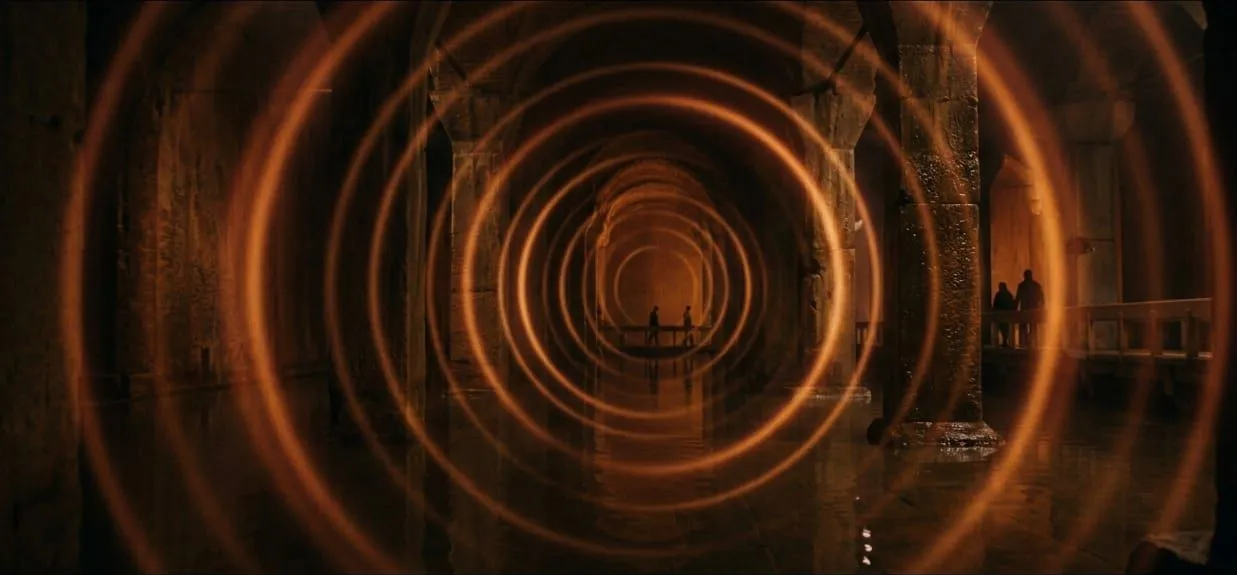
There is also a reason many nervous system-focused experiences use cinematic, immersive audio rather than simple background music. The right sound design does not just decorate the experience. It creates containment. It gives the mind something to follow and the body something to trust.
Still, there is a trade-off. Sound can support the shift, but it does not replace the shift. If your breathing stays tight in the upper chest, if your jaw is clenched, if your system is carrying days or years of stress, listening passively may soothe the edges without changing the core state.
The real driver of reset is rhythm
If there is one principle worth paying attention to, it is rhythm over frequency.
Your nervous system is constantly reading rhythm. Breath rhythm. Heart rhythm. Speech rhythm. The rhythm of the room. When breath becomes slower, fuller and more intentional, the body often gets the signal that the threat has changed. When exhalation lengthens, the system may begin to reduce intensity. When a guided pattern is repeated long enough, the body can move from guarding to releasing.
This is why breathwork is often more effective than audio alone for people who feel stuck. It gives the body an active role. It does not ask you to merely consume calm. It helps you generate a state change from within.
Best frequency for nervous system reset in practice
If you want the practical answer, start here: the best frequency for nervous system reset is the one your body can actually receive without resistance.
For some people, that means low, ambient, bass-led sound paired with slow breathing. For others, it means guided breathwork with structured audio that gradually leads the system from activation into release and then into integration. If you are heavily burnt out, overstimulated or emotionally flooded, softer and slower often works better. If you are frozen, numb or shut down, a slightly more energised rhythm may be needed before the body can settle.
This is where nuance matters. Regulation is not always about calming down immediately. Sometimes the body has to move through stored activation first. What feels like intensity in a session can be part of the reset, provided it is held safely and skilfully.
Why breathwork changes the equation
A true reset is not just mental relief. It is physiological change.
Breathwork can influence carbon dioxide balance, heart rate variability, vagal tone and muscular holding patterns. More importantly, it creates a bridge between conscious intention and automatic bodily response. That matters because many people already understand their stress. They know why they are overwhelmed. They still cannot switch it off.
That is the gap body-based work addresses. When breath is guided with precision and paired with sound designed to support the emotional arc of the session, the body often accesses states that talking alone cannot reach. Stress can move. Emotion can surface. The system can complete responses it has been holding back.
This is why a premium guided experience tends to outperform generic relaxation tracks. Consistency matters. Safety matters. The sequence matters. A nervous system under load does not need more noise. It needs an experience engineered to create enough containment for release.
How often should you use it?
This is where frequency becomes useful again, but in a different sense.
The best frequency for nervous system reset may not be a sound frequency at all. It may be your practice frequency. Occasional relief is helpful. Regular regulation changes more.
If you are dealing with normal life stress, a short daily or near-daily practice can help keep your baseline steadier. Ten to twenty minutes of guided breathing and regulating sound may be enough to interrupt the build-up before it becomes overwhelm.
If you are carrying chronic stress, burnout or emotional backlog, you may benefit from longer, deeper sessions alongside shorter maintenance sessions during the week. Think of it less like a quick fix and more like training your system to remember safety. Repetition builds familiarity. Familiarity builds capacity.
The trade-off is simple. Too little practice and the reset does not stick. Too much intensity, too soon, and the body may feel pushed rather than supported. The right pace is the one that leaves you feeling more present, not more frayed.
Signs a frequency or session is right for you
The right input usually creates a felt sense of softening, even if emotion arises. Your breathing becomes less effortful. Your shoulders drop without being told. Your thoughts lose some of their grip. You feel more in your body and less trapped in your head.
Sometimes the shift is subtle. A deeper sigh. Warmer hands. A clearer sense of space. Sometimes it is powerful - tears, tingling, trembling, relief. None of those responses automatically means something has gone wrong. Often, they mean the body is processing.
What matters is the after-effect. Do you feel more regulated, more grounded, more able to meet life? Or do you feel agitated and untethered for hours afterwards? A good session can be intense, but it should not leave you feeling abandoned by your own nervous system.
What to avoid when searching for a reset
Be cautious of absolute claims. A single miracle frequency. A track that promises instant healing. A one-size-fits-all answer to stress, trauma and burnout. The nervous system does not work like a gadget.
Also be wary of bypassing. Calm is not always the goal in the first five minutes. Sometimes regulation includes movement, breath, sound and the release of what has been suppressed. If you only ever aim to sedate yourself, you may miss the deeper reset your body is asking for.
Done well, nervous system work is both precise and human. It honours science, but it also respects lived experience. It knows that the body needs more than information. It needs an experience it can trust.
For that reason, many people find more change through guided breathwork than through passive listening alone. Sound matters. Frequency matters. But the body responds most deeply when rhythm, breath, safety and emotional release come together in one coherent method.
If your system has been running hot for too long, do not get lost chasing the perfect number. Start with what helps your body feel safe enough to exhale fully. That is often where the reset begins.