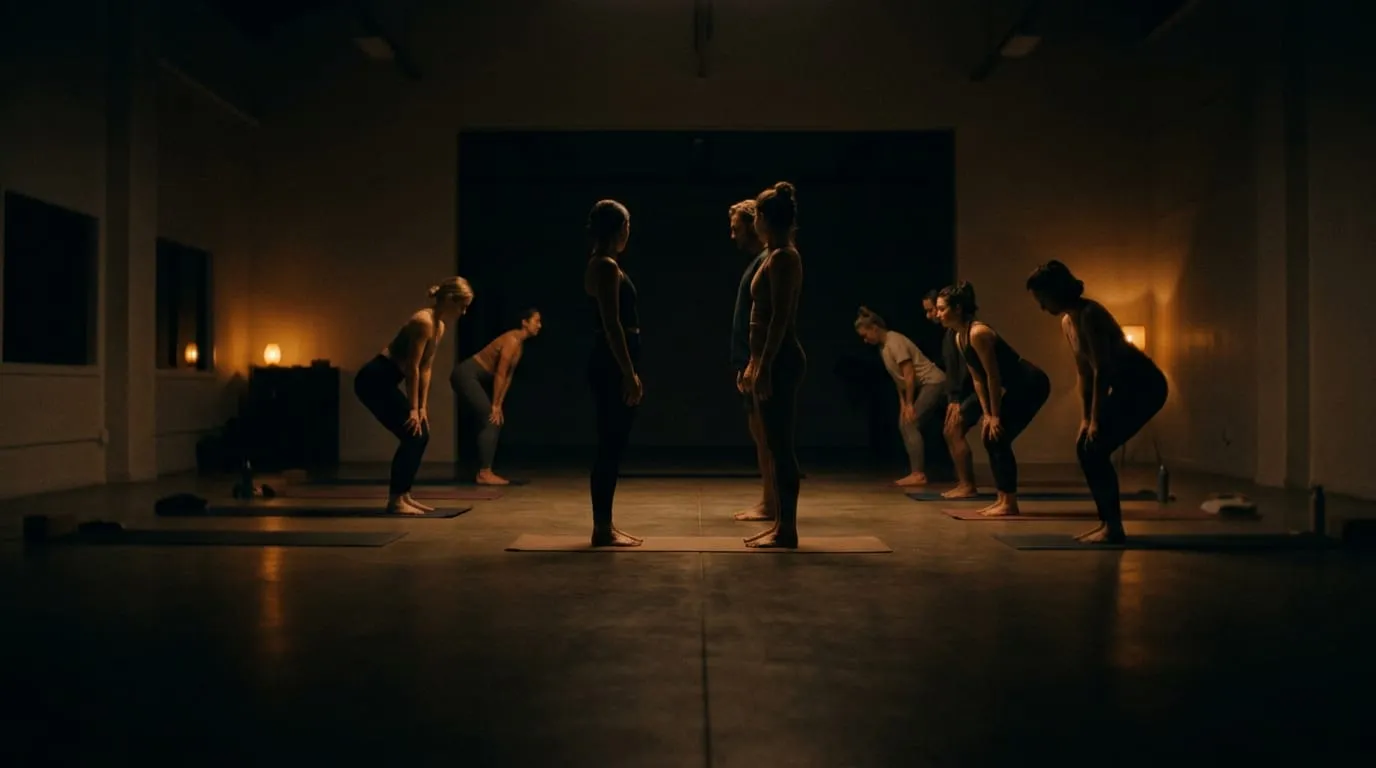
A lot of people arrive at breathwork classes after trying everything that lives in the head first. Therapy. Podcasts. Morning routines. Better boundaries. Less caffeine. More insight. And yet the body still feels braced.
That is the gap breathwork can fill. Not because it replaces every other tool, but because you cannot think your way out of a stress response your body is still running.
What breathwork classes are really for
The phrase gets used loosely. Some sessions are gentle and meditative. Some are built for focus or sleep. Others are designed for deeper emotional release. Lumping them all together misses the point.
Good breathwork classes are structured experiences that use guided breathing patterns to influence the nervous system and create a felt shift in the body. That shift might look like calm. It might look like clarity. It might look like tears, tingling, heat, relief, or a level of stillness you have not felt in months.
The important distinction is this: breathwork is not only about relaxation. In the right setting, it can help surface and move stress that has been sitting below the level of conscious thought. For people carrying burnout, grief, emotional overload or relationship strain, that matters.
It also explains why one class can feel life-changing while another feels like a pleasant lie-down. The method, the pacing, the facilitation and the sense of safety all shape the result.
Why breathwork classes work differently from talk-based tools
Insight is useful. Language is useful. But there are moments when understanding the problem does not change the physical pattern.
You may know exactly why you are anxious and still wake up with a tight chest. You may have processed a breakup intellectually and still feel the residue in your sleep, your shoulders, your fuse. That is because the nervous system is not persuaded by analysis alone.
Breath changes state. It affects arousal, attention and physical sensation in real time. In guided sessions, specific rhythms can help downshift the system or bring held emotion closer to the surface so it can be processed, not just discussed.
This is where people often feel the difference. Less performing. Less explaining. More direct experience.
That does not mean every person needs the same style. If you are highly activated, a softer class may be the right place to begin. If you feel emotionally flat or disconnected, a more immersive format may create the opening you have been missing. It depends on your history, your capacity and what you are carrying.
What to expect in a high-quality breathwork class
A strong session should feel intentional from the first minute. Not vague. Not improvised. Not dependent on the personality of the instructor.
Most breathwork classes begin by setting the frame. You should know what kind of breathing you will be doing, how long the active portion lasts, what sensations may come up and how the facilitator will support the room. That matters because uncertainty can heighten anxiety, especially if you are new.
During the class, guidance should be clear and steady. The best facilitators do not overtalk, but they also do not disappear. They create confidence without forcing intensity. If emotion arises, it is handled with maturity rather than theatre.
Sound also matters more than people expect. Music is not just background. In a well-built class, sound helps shape pacing, focus and emotional movement. It can hold the room when words would be too much.
Afterwards, you should feel a transition, not an abrupt stop. Integration is part of the experience. Some people leave feeling lighter and open. Some feel tender. Some feel energised. A good class allows space for that range without overpromising a single outcome.
Not all breathwork classes are built the same
This is where discernment matters.
Some classes are designed as a general wellness activity. They can be pleasant, accessible and useful for day-to-day regulation. Others are built as deeper nervous system work with stronger emotional impact. Neither is automatically better. The right choice depends on what you need.
If you are looking for a reset between meetings, a shorter app-based session may be enough. If you feel stuck in a repeating pattern and nothing else has shifted it, a more immersive in-person class may be the better fit.
There are trade-offs. Shorter sessions are easier to maintain and easier to revisit. Longer sessions can create more depth, but they ask more of you. Convenience helps with consistency. Immersion helps with breakthrough. Both have value.
What you want to avoid is assuming that all breathwork produces the same result. It does not. Method matters. Safety matters. Consistency matters.
How to choose breathwork classes that are worth your time
Start with the question most people skip: what do you actually want from the session?
If your goal is better sleep, a highly activating class may not be the obvious answer. If your goal is emotional release, a light relaxation session may feel too surface-level. Clarity on the outcome makes it easier to choose the right format.
Then look at how the class is delivered. Is there a defined method, or does the experience vary wildly depending on who is leading it? Standardisation is not cold. In this space, it can be a sign of quality. It means the experience is designed, tested and delivered with care rather than left to chance.
Facilitation should also be trauma-informed. That phrase gets thrown around, but the practical meaning is simple. The session should not push people past their capacity. It should offer guidance, choice and a sense of control. Strong breathwork is not about overwhelming the body. It is about helping the body process safely.
It is also worth considering whether you want live support or home access. In-person classes can be more immersive and easier to surrender to because the environment is built for it. On-demand sessions are more flexible and can become part of daily life. For many people, the strongest approach is both: depth when you need it, consistency when life gets busy.
Who breathwork classes help most
Breathwork is often framed as something for wellness insiders. In reality, the people who benefit most are often those who are tired of coping strategies that never fully land.
That includes professionals who are high-functioning on the outside and running on fumes underneath. Creatives who feel blocked, overextended or emotionally flooded. People coming out of difficult relationships. People who are not in crisis, exactly, but do not feel like themselves either.
It can also help those who have done plenty of personal development work and still feel a disconnect between what they know and what they feel. The body has its own timeline. Breathwork gives it a direct route into the conversation.
It is not a cure-all. And it is not always the first step for every person. If someone is in acute distress or managing significant mental health symptoms, individual clinical support may need to come first or sit alongside the work. Mature guidance includes those boundaries.
Why premium breathwork classes can be worth it
Price gets attention, but value is in the design.
A premium class is not just a longer playlist in a dark room. It should offer skilled facilitation, a carefully engineered arc, a sense of psychological safety and an environment that helps you let go of vigilance. That combination is rare, and it changes the experience.
For some, a low-cost class is the right entry point. For others, especially those who struggle to switch off, the quality of the room is the difference between staying in their head and actually dropping into the work.
This is one reason structured formats stand out. When the method is consistent across teachers and locations, trust builds faster. You know what standard you are stepping into. For a brand like IMD Breathwork, that consistency is part of the promise.
The real measure of a good class
It is not whether it looked dramatic. It is whether something shifted.
Maybe you slept through the night. Maybe your chest felt softer on the walk home. Maybe the conversation you had been rehearsing for weeks suddenly felt simple. Maybe you cried for the first time in months and did not need to explain why.
That is the standard that matters. Not performance. Not trend. Not how impressive the class sounds when you describe it.
The best breathwork classes meet you where you are, then move you somewhere more regulated, more honest and more connected to yourself than where you started. If your body has been carrying more than your mind can solve, that is not a small thing. It is often the turning point.