You can feel ready for a breathwork class and still have one question circling in the background: what exactly should I do before I arrive? If you are wondering how to prepare for breathwork class, the good news is that it is less about performing well and more about creating enough space for your body to respond honestly.
That matters more than people expect. Breathwork is not a passive wellness ritual where you lie down and hope for the best. Done well, it can shift your nervous system fast. It can bring relief, emotion, clarity, tiredness, calm, or all of them in one session. Preparation does not make the experience dramatic. It makes it safer, steadier and easier to meet.
How to prepare for breathwork class before you leave home
Start with the basics. Eat lightly, hydrate well and give yourself a little breathing room in your schedule. A heavy meal right before class can leave you feeling uncomfortable when your breath deepens, but arriving hungry can make you feel distracted or light-headed. For most people, something light one to two hours beforehand works well.
Hydration matters too, but there is a balance. Drink enough water through the day so you are not dry or depleted, without turning up overfull and uncomfortable. If you have been rushing, living on coffee, or skipping meals, it is worth correcting that before class. Breathwork tends to make whatever is already happening in the body more noticeable.
Clothing is another practical detail people underestimate. Wear something soft, warm and easy to move in. Not because you are expected to move much, but because tight waistbands, restrictive fabrics and anything that makes you feel self-conscious can pull attention away from the experience. Comfort helps the body soften. Softening helps the breath open.
Then look at your timing. Give yourself enough margin to arrive without sprinting. If you spend the final ten minutes before class checking emails on a packed train, apologising for being late and swallowing stress, that state does not magically disappear when you lie down. Try to create a cleaner transition. Finish work a little earlier. Walk rather than rush. Put your phone away for the last part of the journey if you can.
What to bring, and what to leave behind
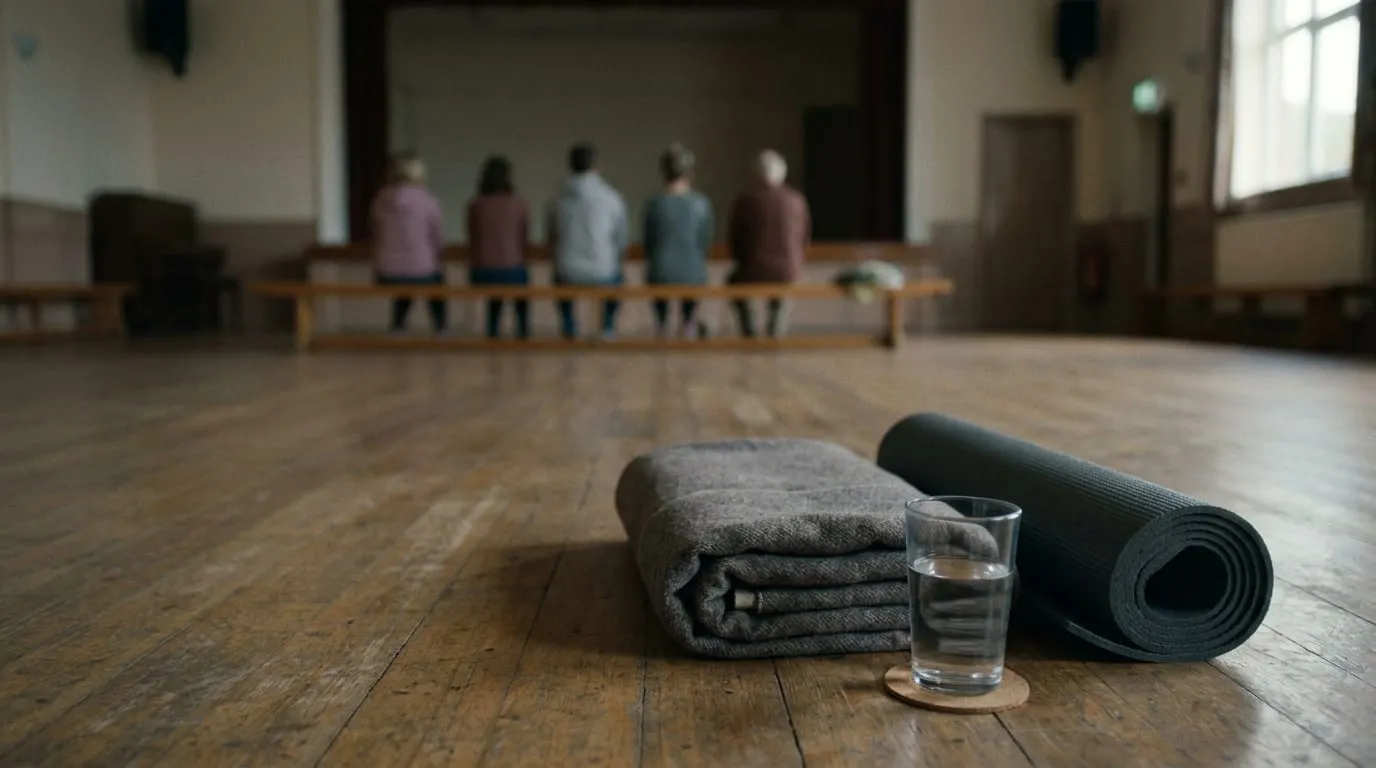
For most in-person sessions, less is better. Bring water, wear layers and leave yourself free from unnecessary clutter. If the venue suggests anything specific, follow that guidance first. Some spaces run warmer, others cooler, and your body temperature can shift during a session.
What you really want to leave behind is the pressure to get it right. Breathwork is not a test of lung capacity, emotional openness or spiritual fluency. Some people feel a strong release in their first class. Others mostly notice that they are finally relaxed. Both are valid. The most useful thing you can bring is willingness, not performance.
If you wear contact lenses and tend to get dry eyes, glasses may feel more comfortable. If you know you are sensitive to sound or temperature, plan for that. These are small adjustments, but they reduce friction. A premium experience should feel held from the moment you walk in, and your preparation can support that.
The mental side of how to prepare for breathwork class
Many first-timers think they need a perfect intention. They do not. You do not need to arrive with a polished sentence about transformation. A simple internal truth is enough. I need a reset. I have been holding too much. I want to feel calmer in my body. Honest is better than impressive.
It also helps to loosen your expectations. Breathwork can feel powerful, but the power is not always loud. Sometimes the shift is emotional release. Sometimes it is the first full exhale you have taken in weeks. Sometimes what changes is subtle and only becomes obvious later, when you react differently to stress or sleep more deeply that night.
If you are anxious about feeling emotional in a room with other people, that is normal. A lot of adults are carrying stress that has never had a physical exit. You cannot think your way out of something your body is holding. Breathwork creates a structured route for release, but you remain in choice throughout. Good facilitation should never feel chaotic or unsafe.
Safety comes first
This is the part people sometimes skip because it feels less exciting than the promise of transformation. Do not skip it. If you have any medical concerns, especially around cardiovascular health, respiratory conditions, pregnancy, epilepsy, severe mental health symptoms or recent surgery, check the provider's safety guidance and speak to a qualified professional where needed.
Trauma-informed breathwork should make room for your history, not bulldoze through it. If you have experienced panic attacks, dissociation or trauma responses in body-based practices before, let the facilitator know in advance if that option is available. That does not mean breathwork is off limits. It means your preparation should include context.
There is a difference between challenge and overwhelm. A strong session can still be well held. If a provider treats safety information as a footnote, pay attention. Consistency, clear screening and skilled guidance are not extras. They are the standard.
The night before and the hour before
If your class is in the evening, the night before matters less than how you have lived the day. If your class is in the morning, give yourself a decent night's sleep if possible. Breathwork can be supportive when you are stressed or tired, but extreme exhaustion can make it harder to stay present.
In the hour before class, reduce stimulation where you can. That might mean no frantic calls, no doom-scrolling, no last-minute life admin. You do not need to turn into a monk. You just need to stop flooding your system before asking it to settle. Even ten quieter minutes can change how you arrive.
If music helps you regulate, listen to something calming on the way. If silence works better, choose that. If journalling steadies you, write a few lines before you leave. The point is not to create a ritual for the sake of it. The point is to stop arriving in pieces.
What first-timers often get wrong
They overthink the breathing technique before they have even entered the room. They worry they will do it badly. They assume everyone else knows more. Usually, none of that is true. Guided breathwork is designed to be followed in real time. You do not need to study in advance.
Another common mistake is treating the class like a one-off event to consume, rather than an experience to participate in. Breathwork works through your body, not around it. If you stay guarded, effortful and busy trying to control the outcome, you may still benefit, but it can take longer to drop in.
People also forget the aftercare. If possible, avoid booking something intense immediately afterwards. Give yourself a little space. A two-hour class is not just another item in the diary. It can leave you feeling clear and energised, or tender and reflective. Both deserve room.
What to expect when you walk in
Expect a guided experience, not guesswork. A well-run class should tell you what is happening, what the breathing pattern is, what sensations may come up and what options you have if you need to slow down. You should feel led, not left to fend for yourself.
You may notice physical sensations such as tingling, temperature changes or tightness releasing. You may feel emotion. You may feel very little at first. None of these responses means you are succeeding or failing. They are simply different ways your nervous system might respond.
At IMD Breathwork, the aim is not vague calm for an hour. It is a structured, immersive reset that meets the body directly. That is why preparation matters. The less noise you bring in, the more clearly you can meet what is actually there.
If you are still unsure, keep it simple
Eat light. Wear comfortable clothes. Arrive early. Read the safety guidance. Be honest about your current state. Let go of the idea that you need to be the kind of person who is good at breathwork.
The class is there to meet you as you are - stressed, curious, burnt out, emotionally full, or simply ready for something that reaches deeper than talking. Preparation is not about controlling the experience. It is about giving yourself the best chance to feel it.
If you do that, you have already done enough. The rest begins with the first breath.