
Your body usually tells the truth before your mind catches up. The clenched jaw. The wired-but-exhausted evenings. The moment a minor message feels like a major threat. If you are searching for how to reset nervous system at home, you are probably not looking for another vague self-care idea. You want a felt shift. Something that helps your body stop bracing.
That matters, because a dysregulated nervous system is not just stress in the abstract. It is stress that has become physical. Your breathing changes. Your muscles tighten. Sleep gets lighter. Patience gets shorter. You can understand exactly why you feel overwhelmed and still feel overwhelmed. Insight helps. But the body needs a different conversation.
What a nervous system reset actually means
A nervous system reset is not about forcing yourself to be calm. It is about giving your body enough safety cues that it stops acting as if everything is urgent. Sometimes that happens quickly. Sometimes it takes repetition. And sometimes what looks like anxiety is really exhaustion, overstimulation, grief, or emotional backlog your system has not had space to process.
This is why generic advice can fall flat. If you are already in a high-alert state, being told to just relax can feel almost insulting. Your system is doing its job too well. The goal is not to silence it. The goal is to help it stand down.
At home, that usually means working with three things at once: breath, sensory input, and physical state. You are changing the conditions around your body so your body can change its response.
How to reset your nervous system at home without overcomplicating it
Start by lowering the pressure. You do not need a perfect morning routine, a silent house, or an hour of spare time. You need a method that meets you where you are.
The fastest place to begin is your breathing. Not because breathwork is trendy, but because breath is one of the few processes that is both automatic and under your control. That makes it a direct route into your nervous system.
If you feel anxious, restless, or overstimulated, lengthen the exhale. Try inhaling through the nose for four and exhaling slowly for six or eight. Keep the breath soft. No strain. Two to five minutes is enough to shift the chemistry of the moment.
If you feel flat, shut down, or emotionally frozen, slow breathing may not be the first answer. In those states, your system may need mobilisation before it can settle. A few rounds of stronger, fuller breathing, followed by stillness, can help create movement where there has been emotional holding. This is where guided breathwork can be especially powerful. The structure matters. The pacing matters. So does feeling safe enough to let the body do what it has been trying to do.
Create safety through the senses
Your nervous system is always scanning. Sound, light, temperature, posture, pace - all of it gets interpreted as either safe enough or too much.
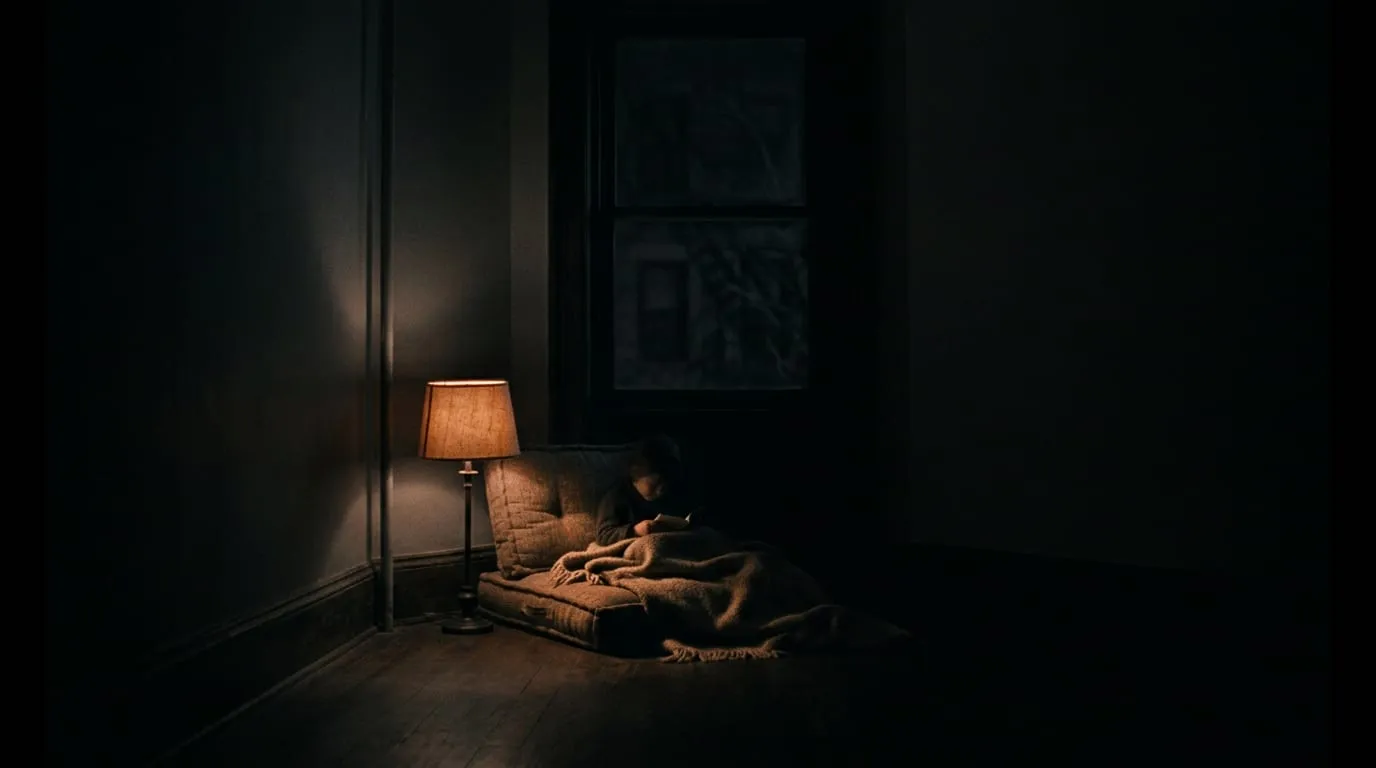
So before you try to think your way into calm, change the sensory environment. Dim the lights. Put your phone out of reach. Sit with your back supported. Wrap yourself in something with weight. If your mind is racing, steady sound helps. If you are numb and disconnected, fresh air or cold water on the face can bring you back into contact with the present.
This is not about creating a spa-like scene. It is about reducing mixed signals. You cannot ask your body to relax while feeding it constant stimulation.
The home reset most people actually need
For many people, the missing piece is not knowledge. It is sequence.
First, reduce input. Then regulate the breath. Then allow sensation. That order matters. If you skip straight to emotional processing while your system still feels under threat, you may just intensify the noise.
A simple sequence can look like this: sit down, both feet on the floor, one hand on the chest and one on the stomach. Exhale longer than you inhale for three minutes. Then notice where the tension is strongest. Throat, chest, gut, shoulders. Stay there without trying to fix it immediately. Often the body softens when it feels met instead of managed.
Why breathwork works when mindset work does not
You cannot think your way out of something your body is holding.
That is not a rejection of therapy, reflection, or mindset work. It is just the limit of cognitive tools. If your system is carrying chronic activation, old stress patterns, or unprocessed emotion, talking about it may help you understand the pattern without actually interrupting it.
Breath-led regulation works differently because it is physiological first. It alters carbon dioxide and oxygen balance, changes heart rate variability, and sends direct signals through the vagus nerve and related pathways that influence your stress response. But beyond the science, there is the lived experience of it. You stop narrating and start feeling. Then the body gets a chance to complete what it has been holding halfway.
That is why structured sessions tend to go further than random breathing exercises. Method changes outcome. A trauma-informed approach with clear pacing and guided support is not just more comfortable. It is often more effective.
When your reset needs to be gentler
Not every nervous system wants intensity.
If you are highly anxious, recovering from burnout, grieving, or simply depleted, begin with down-regulation rather than catharsis. Gentle nasal breathing, grounding touch, slow walking around the room, and long exhalations may serve you better than anything forceful.
There is also a difference between discomfort and overwhelm. A reset can bring up sensation, emotion, even tears. That can be part of the process. But if you start to feel flooded, dizzy, panicked, or disconnected from reality, scale it back. Open your eyes. Look around the room. Name five things you can see. Feel your feet. Regulation is not about pushing through. It is about building capacity.
Signs your body is beginning to regulate
The signs are often subtle before they are dramatic. A deeper sigh. Warmer hands. Less urgency in the chest. The ability to sit still without feeling trapped. A fuller breath arriving on its own.
Sometimes the shift is emotional rather than physical. You cry and do not know why. You feel tired in a clean way. You stop rehearsing the same thought loop. These are not failures of control. They are often signs that your system no longer needs to grip so hard.
Build a reset practice that fits real life
The best home practice is the one you will actually return to when life gets messy.
That might mean a ten-minute breath-led session before bed instead of an ambitious routine you abandon in four days. It might mean using the same playlist, same chair, same corner of the room, so your body starts associating that space with decompression. Ritual creates efficiency. Repetition teaches safety.
If your work is intense, your home life is full, or your emotions tend to hit all at once, consistency matters more than duration. Small resets done regularly are often more stabilising than occasional deep releases.
This is also where guided support can make the difference between trying and actually shifting. IMD Breathwork was built around that principle - a structured method, not guesswork, designed to help people feel change in the body, not just understand the theory.
What to avoid when trying to reset at home
The biggest mistake is treating regulation like a performance. If you are watching the clock, judging every sensation, or trying to force a breakthrough, your body will notice the pressure.
It also helps to be honest about what is driving the dysregulation. No breathing technique can compensate for ongoing sleep deprivation, relentless stimulation, too much caffeine, or a life that never pauses. A home reset helps your system recover. It does not make you invincible.
And if you have a history of trauma, panic attacks, or complex mental health challenges, go carefully. Body-based work can be transformative, but pacing matters. Support matters. Sometimes the safest reset is the smallest one.
The real shift happens when you stop treating your symptoms like malfunctions and start reading them as messages. Your body is not trying to ruin your day. It is asking for a different state. A different rhythm. A different kind of attention.
Start there. One slower exhale. One quieter room. One moment of not overriding what you feel. That is often how regulation begins.