You have a packed diary, a mind that will not switch off, and a body carrying more than you can explain. The question behind in person breathwork vs online sessions is not simply which is more convenient. It is what kind of support your system needs right now.
Both formats can create a meaningful shift. Both can help you slow down, feel what is present and move out of constant mental overdrive. But they do not ask the same thing of you, and they do not offer the same container.
In Person Breathwork vs Online Sessions: The Core Difference
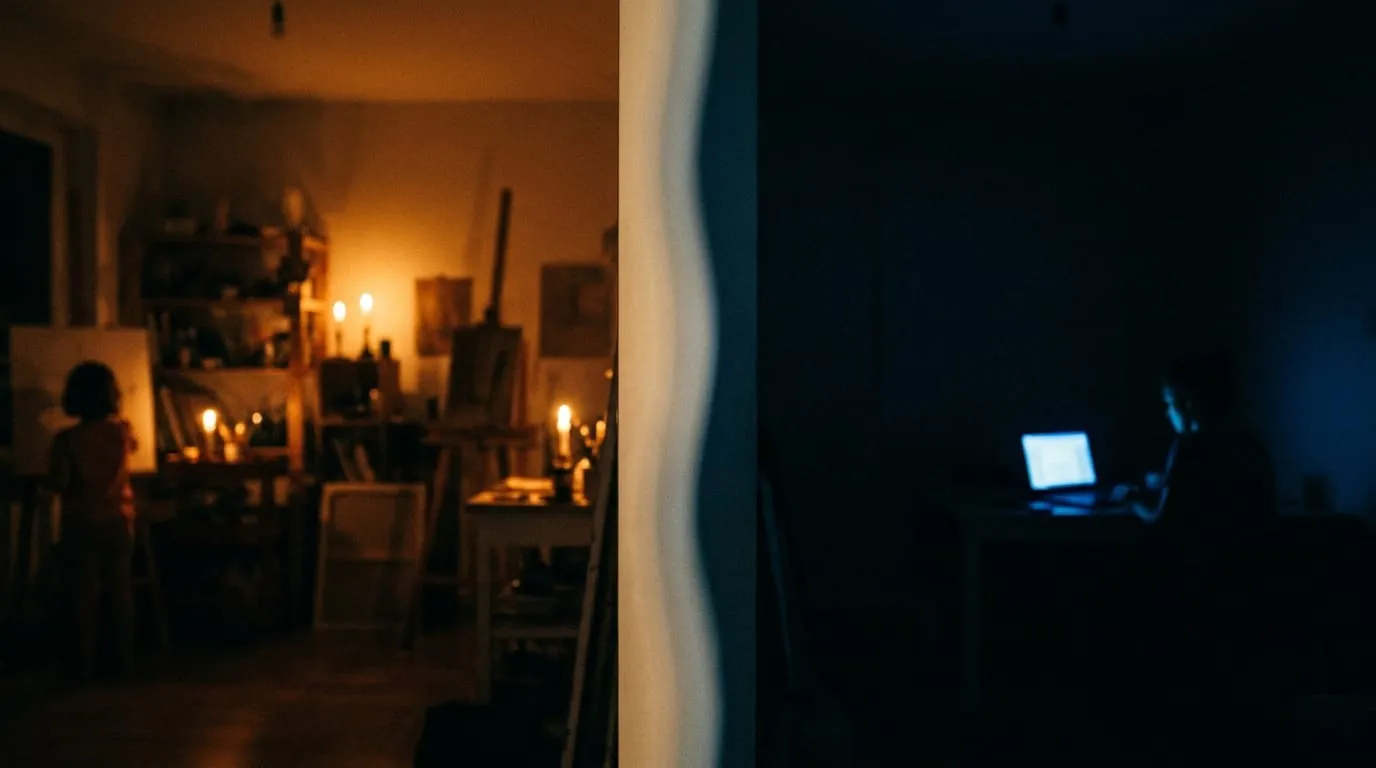
An in-person class is an event. You travel there, step away from your usual environment and enter a room built for the experience. The lights, sound, facilitator and group focus create a clear line between everyday life and the next two hours. That separation matters when you have been functioning on autopilot for months.
Online breathwork is a tool you can reach for when life is happening. Before a difficult meeting. After a tense call with your family. At 11pm when your thoughts are racing and sleep feels far away. It removes the friction of travel and scheduling, which means support can be available in the moments you are most likely to need it.
Neither is automatically better. One is deeper by design; the other is more available by design. The right choice depends on whether you need an immersive reset, a practical daily practice, or both.
What an In-Person Session Can Do That a Screen Cannot
There is a reason people make time for a live class even when they have an app in their pocket. Presence changes the experience.
In a well-facilitated room, you do not have to manage the atmosphere yourself. The music is not competing with the washing-up. Your phone is away. Nobody is asking what is for dinner. You can stop performing competence for a while and let your attention move inward.
A trained facilitator can also respond to what is happening in the room. If your breathing becomes strained, if you feel overwhelmed, or if you need a gentler option, there is someone there to guide you back to a pace that feels manageable. That does not mean a live session should push you past your limits. It means support is close by when the experience becomes emotionally intense.
The group adds another layer. You are still having your own experience, but you are not doing it alone. For people who spend their week making decisions, holding it together and looking after everyone else, that can be powerful. A room full of people choosing to pause creates permission that is hard to manufacture in a flat after a long day.
Then there is the sensory element. Guided breath, carefully built sound and sustained attention can make a session feel less like another wellbeing task and more like a full-body interruption to your usual pattern. You cannot think your way out of something your body is holding. Sometimes you need an environment that gives your body a different instruction.
The Trade-Offs of Going In Person
A live experience requires commitment. You need to book it, get there and protect the time afterwards if possible. If you are travelling across a city straight from work, that can feel like another item on an already impossible list.
It can also feel exposing at first. Even in a respectful, professionally held class, being in a group may not suit everyone. You may be new to breathwork. You may be processing relationship stress, burnout or grief and prefer the privacy of your own space. That is a valid preference, not a lack of courage.
In-person work is particularly valuable when you want more structure, clearer support or a dedicated space to go beyond surface-level stress. But intensity is not a badge of honour. The best session is the one you can stay connected to, rather than one you simply endure.
When Online Breathwork Makes More Sense
Online sessions meet real life where it is. That is their strength.
A short guided practice can create a pause between stress and reaction. It can help you settle before sleep, regain focus after an overstimulating commute or create a boundary between the working day and your evening. You do not need to wait until you are at breaking point to use it.
For beginners, practising at home can feel less intimidating. You can choose a shorter session, control your surroundings and learn how different breathing patterns affect you without the pressure of a group setting. Familiarity builds confidence. Over time, you may notice the early signs of stress sooner and have a simple way to respond.
Consistency is where online breathwork often wins. A powerful class once a month can be transformative, but small regular moments of regulation can change how you move through the rest of your week. Five or ten intentional minutes may not create the same depth as an immersive experience, yet they can stop stress becoming your default setting.
This is especially useful for people whose schedules are unpredictable. Parents, shift workers, frequent travellers and professionals with long hours do not always have a reliable two-hour window. Accessible support is not second-best. It is often the difference between having a practice and having another good intention.
The Limits of Online Sessions
Convenience can become avoidance if you only ever choose the easiest option. It is possible to press play, answer two messages, check an email and call it self-care. A session works best when you give it your attention, even if that session is brief.
At home, you are also responsible for the container. Settle somewhere private where you can sit or lie down comfortably. Use headphones if that helps you focus. Let someone know you need ten minutes without interruption. The experience does not need to be perfect, but it does need enough space to land.
Online guidance also cannot replace individual clinical care. Breathwork can bring up strong physical sensations or emotions for some people. If you have a medical condition, are pregnant, have a history of seizures, or are living with significant mental health concerns, seek appropriate medical or mental health advice before starting an intense practice. Follow the guidance provided for the session, and stop if you feel unwell, unsafe or unable to regulate.
That is not fear-based language. It is what responsible practice looks like. Your nervous system does not need to be forced into change. It needs conditions that allow it to feel safe enough to shift.
Choose by Need, Not by Status
There can be a strange hierarchy in wellness: the longer, harder or more dramatic the experience, the more meaningful it is assumed to be. That is not how regulation works.
Choose an in-person session when you feel stuck in a pattern that your usual routines are not touching. Choose it when you want focused facilitation, immersive sound and a clear break from your environment. It can be a powerful choice after a demanding season, a period of emotional overload or simply when you want to give yourself more than a rushed ten minutes.
Choose an online session when you need support that can fit inside your actual life. Use it to build familiarity with your breath, create steadier daily rhythms and meet stress before it becomes a crisis. It is also a smart place to start if you are curious but unsure what a live group experience will feel like.
For many people, the strongest answer is not either-or. It is rhythm. A live session offers a deeper reset and a reminder of what your body can access when given time. Shorter at-home sessions help you return to that place between classes. IMD Breathwork is built around this hybrid reality: high-impact in-person experiences alongside guided sessions for the moments you are on your own.
Make the Choice More Honest
Before you book or press play, ask a better question than, “Which format should I do?” Ask, “What am I avoiding giving myself?”
If the answer is time, an online session may be the most realistic first step. If the answer is feeling, a dedicated in-person experience may offer the space you have been postponing. If the answer is support, choose the setting that helps you stay present rather than disappear into distraction.
Your body is not asking for another productivity system. It may be asking for a moment where nothing needs to be solved, explained or performed. Start there.