You do not book breathwork because you want more information. You book it because talking, analysing and pushing through have stopped touching the part of you that still feels wired, flat, heavy or overwhelmed. If you are wondering what happens during breathwork session, the short answer is this: your body gets a chance to process what your mind has been carrying.
That can sound intense. Sometimes it is. But it is also structured, guided and far more grounded than many people expect. A well-led session is not about performing a perfect breath. It is about creating the conditions for a real shift in your nervous system, your emotional state and your sense of presence in your own body.
What happens during a breathwork session, step by step
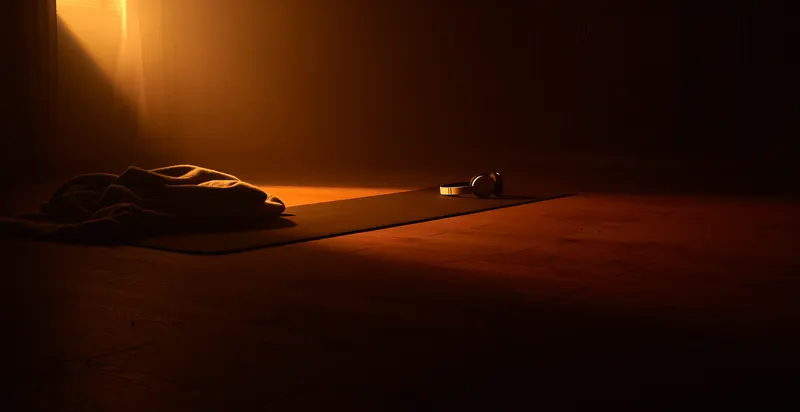
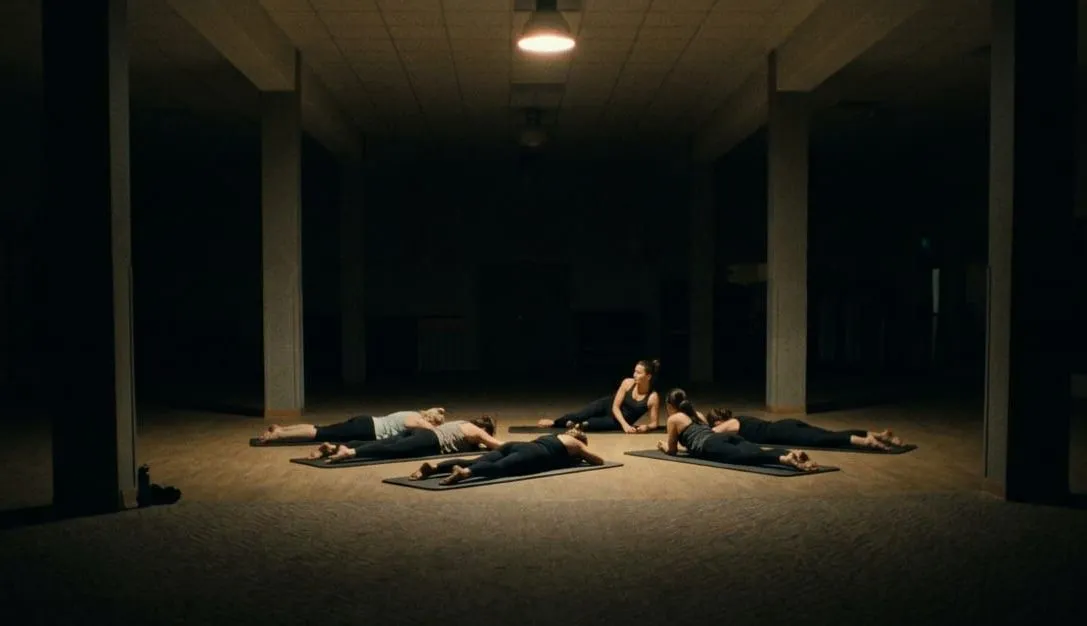
Most sessions begin before the breathing starts. You arrive, settle, and are guided into the space with clear instructions. In a premium in-person setting, that often means a room designed to feel safe and immersive, with carefully built sound, low stimulation from the outside world and a facilitator who sets expectations properly.
You will usually be invited to lie down. The facilitator explains the breathing pattern, what sensations may come up, and how to work with the experience rather than fight it. This matters. When people feel anxious about breathwork, it is often not the breathing itself that throws them off. It is the fear of not knowing what is normal.
Once the active breathing begins, the session shifts from explanation to experience. You follow a guided rhythm, usually deeper and more continuous than your everyday breath. The pattern is designed to move you out of autopilot. Quite quickly, your attention stops scattering and starts landing in the body.
At first, many people notice the obvious things. A faster heartbeat. More sensation in the chest. Tingling in the hands or face. A feeling that the body is warming up. For some, the mind also gets louder before it gets quieter. You might think, Am I doing this right? Why does this feel strange? Should this be happening already?
Then the session tends to deepen.
The middle of the session is where the shift happens
This is usually the part people are really asking about when they ask what happens during breathwork session. The middle phase is where the body starts responding in a more meaningful way.
Breath changes physiology fast. It can alter your state within minutes. That is one reason breathwork can feel so different from passive relaxation practices. You are not waiting to calm down. You are actively creating a change.
For some people, that change feels emotional first. Tears arrive without a clear story attached to them. Anger surfaces. Grief rises. Relief moves through in waves. This does not necessarily mean something is wrong or that you are reliving a specific event. Often, it means the body finally has enough safety and momentum to stop bracing.
For others, the shift feels physical before it feels emotional. The jaw softens. The belly releases. The chest opens. Limbs may feel heavy, light or charged. Some people experience temporary cramping or tightness in the hands. This can happen during more intense breathing and, while it can feel unusual, it is a known response. Good facilitation makes a huge difference here. You need someone who can help you stay with the experience without escalating fear.
And then there are people who feel very little drama in the moment. No tears. No big release. No cinematic breakthrough. That does not mean the session has failed. Sometimes the shift is quieter. A clearer mind. A deeper exhale. A sense that your internal noise has dropped by half. Breathwork is not valuable only when it looks dramatic.
Why breathwork can bring up emotion so quickly
You cannot think your way out of something your body is holding. That is the core reason breathwork lands differently for so many people.
Stress is not just a thought pattern. It is muscular tension, shallow breathing, hypervigilance, fatigue, emotional numbness and a nervous system that no longer trusts stillness. If you have spent months or years overriding what you feel, your body adapts. It gets efficient at suppression.
Breathwork interrupts that pattern. By changing the breath, you change the signals travelling through the body. Attention drops out of constant mental management and into direct sensation. This is often where unprocessed emotion starts moving.
That does not mean every session becomes a deep emotional release. It depends on the person, the pacing, the environment and what the body is ready for on that day. Sometimes breathwork is cathartic. Sometimes it is regulating. Sometimes it simply reminds you what it feels like not to be clenched from the inside.
What a breathwork session feels like in real terms
Forget vague promises. Here is what people often actually feel.
The first few minutes can feel effortful. You are adjusting to a new pattern. Then there is usually a threshold moment where the breath starts breathing you more than you are controlling it. That is when the thinking mind often loosens its grip.
From there, the experience can move in different directions. Some people feel expanded and emotional. Others feel confronted by restlessness before relief arrives. Some feel unusually calm, almost floaty, while staying fully aware. The soundtrack, the tone of the guide and the quality of the room all shape this. Sound is not a background extra. It can help the body stay engaged long enough for something real to happen.
After the active phase, there is normally a landing period. This matters as much as the build. The breathing slows. The body gets a chance to register what has shifted. Often this is when people feel the contrast most clearly. They notice space where there was pressure. Quiet where there was noise. Softness where there was armour.
What happens after a breathwork session
The session does not end the moment you sit up. You may feel clear, emotional, tired, open, grounded or unexpectedly tender. Sometimes people leave feeling lighter straight away. Sometimes the deeper effect unfolds over the next few hours.
This is because the body may still be integrating. You might feel more aware of emotions you had been skating past. You might sleep deeply that night. You might realise a conversation, memory or stress pattern no longer has the same charge. That after-effect is part of the work.
It is also why the best sessions do not just push for intensity. They create enough structure around the experience for it to land well. Breathwork should not leave you blown open with nowhere to put the pieces.
If you are using an app-based session rather than attending in person, the arc is often shorter and more targeted. The goal may be calm, focus, stress relief or sleep support rather than a full two-hour emotional release experience. That does not make it lesser. It makes it specific. Different session lengths serve different needs.
What if nothing happens?
This is a fair question. And it does happen.
Sometimes a first session feels subtle because you are still learning how to follow the breath without gripping. Sometimes the body does not want to let go on command, especially if it has spent a long time staying defended. Sometimes expectations get in the way. If you arrive hoping for a life-changing breakthrough by minute twelve, you can miss the more honest shift happening underneath.
A useful session is not always dramatic. If you leave more regulated than when you arrived, that matters. If you feel one degree safer in your body, that matters. If you notice your shoulders have dropped and your thoughts are less aggressive, that matters too.
There is also a practical point here. Breathwork is not one single thing. Methods, pacing and facilitation quality vary. So does your own state from one day to the next. It is reasonable to expect a session to feel different depending on whether you are burnt out, anxious, grieving, exhausted or simply needing a reset.
Who breathwork is for, and when to take it seriously
Breathwork can be powerful for people who feel stressed, emotionally backed up or disconnected from their body. It can support nervous system regulation in a way that feels immediate rather than theoretical. For many people, that is the missing piece.
But stronger is not always better. If you have a history of significant trauma, panic, or certain medical conditions, context matters. Trauma-informed facilitation matters. Clear guidance matters. Safety matters. A high-quality session should never treat intensity as proof of effectiveness.
That is part of what sets a serious method apart from a generic class. The experience should feel designed, not improvised. Held, not chaotic. Deep, but not careless.
IMD Breathwork builds around that standard - a structured experience where breath, guidance and sound work together to help the body do what the mind alone often cannot.
If you are curious, start simple. Go in without trying to manufacture an outcome. Let the session show you where you are, not where you think you should be. Sometimes the most powerful part of breathwork is not the big release. It is finally feeling honest in your own body again.